

Dancefloor theater: a case study. Watch Despacio's lighting directors evolve "Here Comes the Sun" from good to great over a decade
Featuring The Beatles' "Here Comes the Sun (Soulwax Edit for Despacio)"

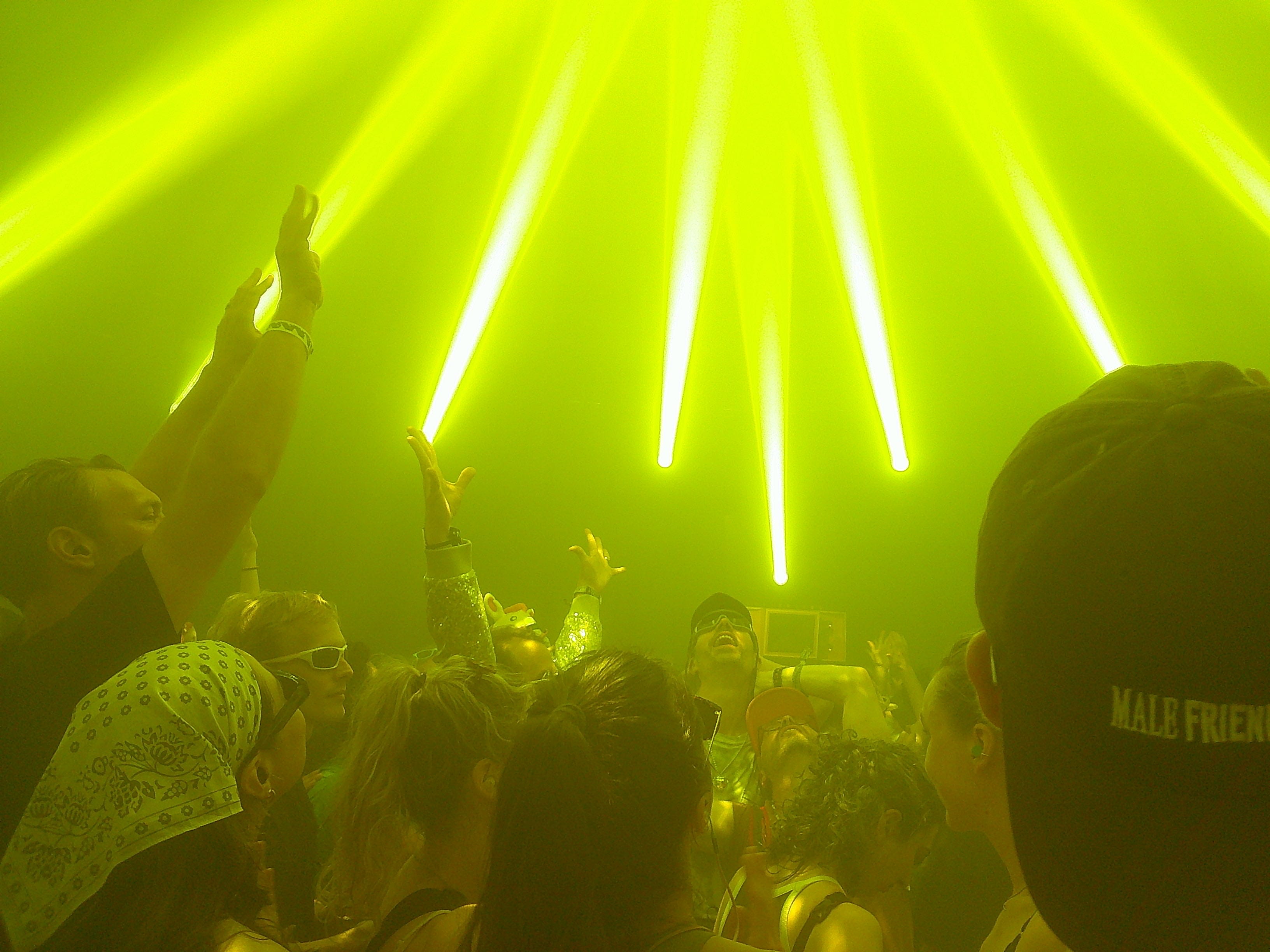
Theatrical effects deeply shape dancefloor energy, and we don’t talk about that nearly enough. But as you know if you’ve been reading this blog for a while, “theatricals” are one of the seven elements in the recipe for dancefloor magic, and this post will dig into theatricality with a breakdown of a single lighting moment as it evolved over the course of a decade.

My first time seeing the Panorama Bar shutters open to allow in the morning light, as described in my Berghain article, brought me to tears. Absolutely perfect. The same goes for sunrise at Moontribe gatherings in Southern California deserts. Nothing manmade beats the way the first rays of light crack open a new day, spilling sunlit joy into dancers’ hearts.
Despacio, the dancefloor I’ve written about here in the past, doesn’t run all night long, so it can’t compete with dancefloors that do feature sunrise, but it does engineer a moment of figurative sunrise using the mirror ball as a sun in conjunction with a special, unreleased Soulwax edit of The Beatles’ “Here Comes the Sun.”
Over the 13 years that Despacio has been in existence, the DJs have played 60 sets, wrapping up about 1/3 of those sets with this “Here Comes the Sun” finale. Though the track has stayed (almost) the same, the climax moments have been lit by several different lighting directors over the years, and we can analyze the evolution over time to learn something about the the way lighting gives dancefloor magic a boost.
Here’s the earliest example of “Here comes the Sun” for which footage exists. This video comes from June 2014, just six months after Despacio’s debut event, so in all fairness the team were still working a lot of this out. This is probably only the second or third time that the song had been played at this point:
The DJs are at the end of a six-hour, vinyl-only set and have chosen this song as the closer for the second day of Sonar Festival, in Barcelona. Despite the terrible phone audio, you can clearly see a joyous crowd responding to the music as the lighting director executes four motions:
(1) Prior to the song, there’s the setup. The room was filled with haze to heighten the dramatic effect of the lighting effects to come.
(2) The beams from the moving heads are turned on with a bright, almost noontime daylight effect, drawing everyone to the center of the room and creating a central vortex of human energy. These are folks who have danced together for hours and this is the last song, they know it, and they gather in the center of the room to celebrate it. Despacio is usually kept quite dark, so this bright light likely felt novel to the dancers.
(3) At around 45 seconds into the clip, the moving heads begin to soften their focus, beginning their journey from a tight, narrow spotlight to a wider, cone-shaped effect that we see by the end of the video.
(4) At around 50 seconds, the beams move towards the center of the room, beginning their journey to illuminate the mirror ball hanging above the dancer’s heads. The lights reach their final point in this journey about 30 seconds later, and as they near their destination, the bright, midday white moves into to sunset-hued oranges and reds.
(5) The light bars at the top of the seven speaker stacks surrounding the dancefloor are brought in for the final moments of the song, pulsing to peak output with each repetition of “sun” in the final refrain of: “Sun, sun, sun, here it comes.”
There’s a lot of great design here, but it’s not yet fully baked. The intent is clear, but at least one moving head misses its target entirely (you can see it clearly in the video missing the ball like an errant shot off to the right, from the viewer’s perspective). Additionally, the “drop” of the song (at 1:05) doesn’t line up with the moment the lights all finally meet at the mirror ball, some 17 seconds later (1:22). This feels like a missed opportunity to further amplify the emotional high point of the song.
Just a year later, most of those complaints have been addressed, and a new sequence is in effect, clearly building on the first version:
The improvements in this version are numerous: There are at least twice as many heads, and the heads are cut entirely for 10 seconds from 0:51 to 1:01 of the clip, giving the explosion that happens at 1:01 greater impact due to the contrast between the darkness (“It's been a long, cold, lonely winter”) and the moment when the sun appears in the song. The yellow hue of the lighting feels like an improvement as well over the somewhat harsh white light of the first version.
The biggest improvement is of course the moment when the ball explodes with yellow light when the song transitions from build to climax.
But there are still a couple of opportunities for improvement. The beams are too sharp, giving the ball a bunch of hot spots, rather than the appearance of a star-like surface that’s aflame all over. The mirror ball looks more like a pincushion than the center of our solar system.
More problematically but also more subtly, the lights are late, coming in a half second after the drop moment. This might have just been someone hitting a button too late. It might have even been the DJs’ fault, as they do have a basic DMX device that they themselves are allowed to operate for some of the lighting effects. But chances are it’s a timing error in the DMX sequence.
Fast forward seven years to the post-pandemic version of this same moment. Post-Despacio, a new lighting director, Jonas Weyn from Ghent-based Arf & Yes, took over and further improved all of Despacio’s lighting, including this sequence:
Weyn makes two big improvements in this third version of “Here Comes the Sun.”
First, the blue light in the pre-climax build-up more closely matches the “long, cold, lonely winter” lyric. The deep blues are also shot through with a few purples to give the lights texture. Importantly, the blues and purples sit nicely across the complimentary color wheel from the yellow light that follows.
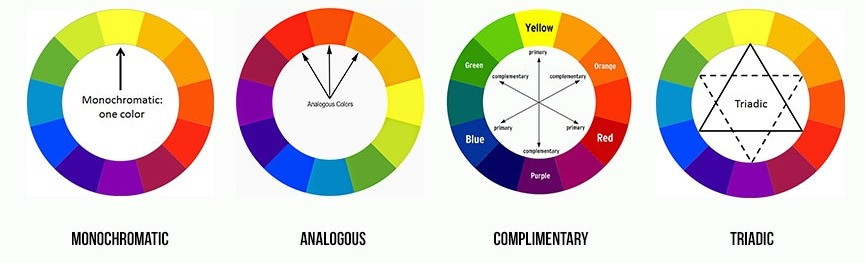
The timing’s also fixed in this version. The lights snap into place on the ball exactly on cue. The Robe MegaPointe moving heads travel the last few feet of distance in the fraction of a second it takes the music to make the transition from cold winter to sunny morning, and they flip from blue to yellow during that traversal, briefly flashing white on their way to the destination color.
There are other, more subtle improvements, but these two changes in particular show a lighting sequence that finally meets the music where it needs to be met.
Weyn shared with us some notes on how he approaches this one:
Here comes the mirrorball is the only programmed song in the lighting desk. I adjust it for each Despacio… because of a few things.
mirrorball position related to the floor is not always on the same height
fixtures are not always the same; some are slower or faster than others, so I tweak times where the lights slowly fade towards the mirrorball
no lights can touch the ball before the drop, but they should be really close to it
It’s rare that we get to see a specific lighting moment evolve over time, and rarer still that we have video evidence of that evolution. As you know, I’m normally opposed to phones on the dancefloor, but in this case they at least serve as a tool that enabled this brief examination of dancefloor theatricality.
If you’re interested in hearing the full song, you can catch a much better recording of it in this bootleg recording of Despacio’s Ghent outing. The DJs start mixing in the track at 5:43:55 after a cheeky James Murphy selection of Jackey Beavers’ “Mr. Bump Man (Theo Parrish Re-Edit).”
If I had to summarize the lessons I’m taking away for myself from this as I learn to light far smaller dancefloors, the questions I’ll remember to ask myself are:
Lyrically, what does the song mean, and how might the lighting align to the meaning?
What are the pivotal moments in the musical arrangement, and how are the lights participating?
How is contrast being both heard and seen? Is the lighting stealing the show, or married to it?
What are the “key frames” of the visual animation and how do they line up to the music’s phrases, phrase changes, and aural subtractions or additions?
Perhaps the ultimate questions is how these moments make us feel. The right closing ceremony can take on a ritualistic importance, and can put an exclamation point onto the end of a ritual in a way that elevates the entire experience. Here’s another fan-submitted video of the final moments of the song, where the lights and music have stopped and everyone claps for the team that made it happen.
Interesting to see the evolution of the lighting for this specific song. Are there any other songs that standout from a lighting perspective ?